Measuring standard of living
It's not just GDP or GDP per capita that measures standard of living.China pushes for rural "toilet revolution"
Chinese authorities will press ahead with a "toilet revolution" in rural areas to provide standard and regulated facilities and improve rural residents' living quality, according to the latest policy document.

Toilets for rural households in the country's eastern regions and mid-western city outskirts should "basically" go through pollution-free renovations by 2020, with toilet waste to be "effectively" treated or utilized by 2022, according to guidelines released by the office of the central agricultural work leading group, the Ministry of Agriculture and Rural Affairs and six other departments.
By 2020, around 85 percent of rural households in mid-western areas where conditions permit should have access to sanitary toilets.
The coverage of sanitary toilets in remote and underdeveloped regions should be increased "gradually" by 2020 and "markedly" by 2022, according to the guidelines.
China launched the "toilet revolution" in 2015 to increase the number and sanitation of toilets at tourist sites. The campaign expanded to improve public toilets in cities and build better private toilets in rural areas.
Teaching Comparative blog entries are indexed. Use the search box to look for country names or concept labels attached to each entry.
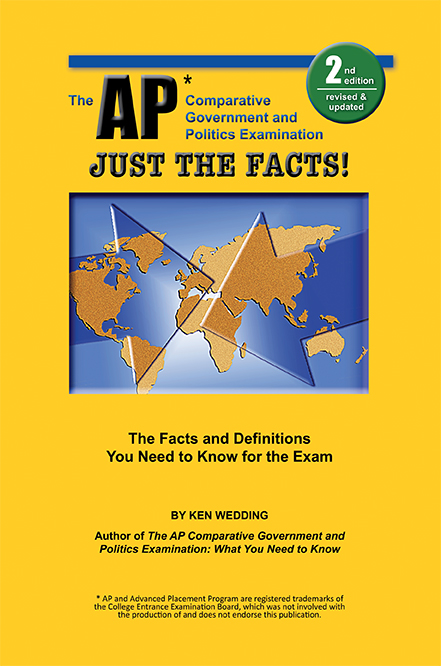 Just The Facts! 2nd edition is a concise guide to concepts, terminology, and examples that will appear on May's exam.
Just The Facts! is available. Order HERE.
Amazon's customers gave this book a 5-star rating.
Labels: China, standard of living, UK
posted by Ken Wedding @ 5:30 AM
0 comments


